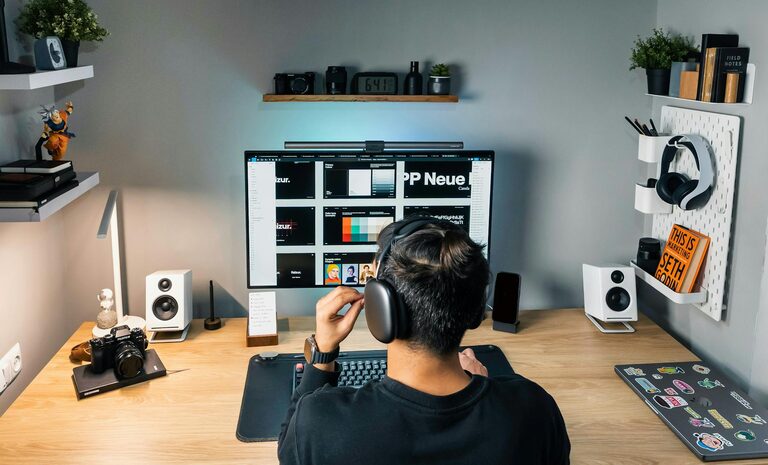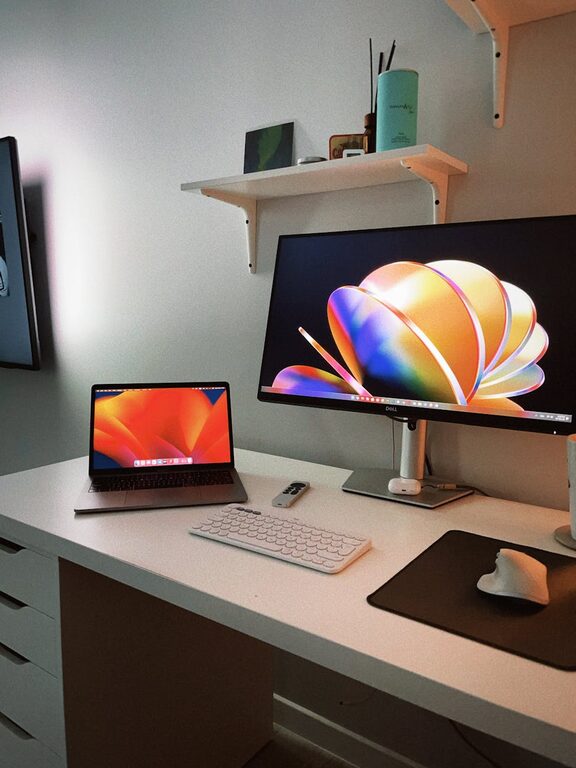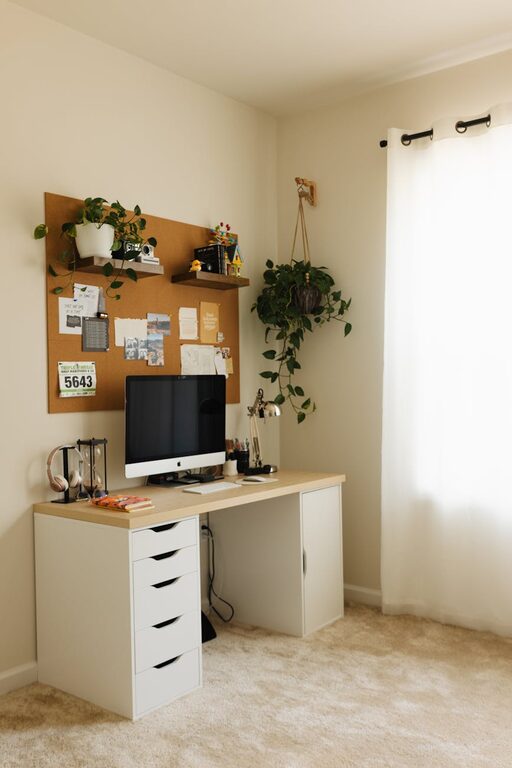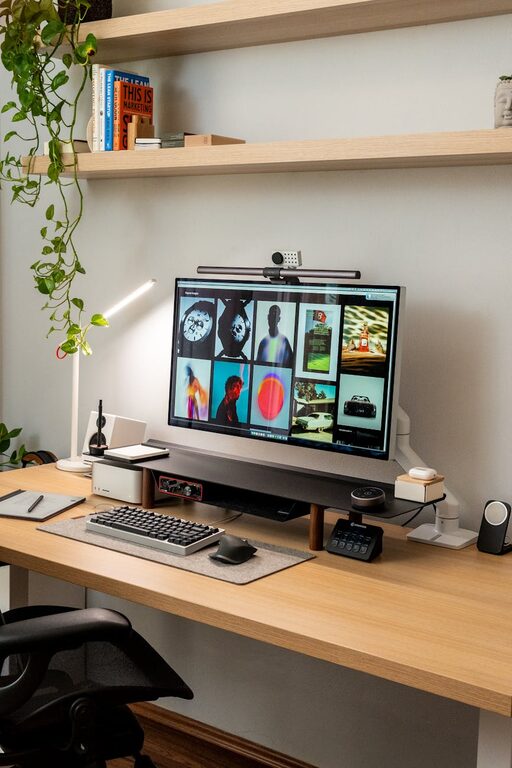








Creating a home office that feels both cozy and productive can greatly enhance your work-from-home experience. Whether you’re a remote employee, a freelancer, or someone who occasionally works from home, designing a space that inspires focus without sacrificing comfort is key. Here are practical tips to help you create a home office that supports your best work while feeling warm and inviting.
Choose the Right Location
Find a Quiet Spot
Start by selecting a part of your home that’s quiet and has minimal distractions. This might be a spare room, a corner of your living room, or even a nook by a window. The goal is to have a dedicated area where you can concentrate without interruptions.
Consider Natural Light
Natural light can boost your mood and energy, making your workspace more inviting. Position your desk near a window if possible, but avoid glare on your computer screen. If natural light is limited, invest in good quality task lighting.
Invest in Comfortable Furniture
Ergonomic Chair and Desk
Comfort plays a huge role in productivity. An ergonomic chair supports your posture and reduces strain during long working hours. Pair it with a desk at the right height to maintain good alignment.
Add Soft Textiles
Incorporate elements like a plush throw blanket or a cushioned seat pad to add warmth and softness. These small touches make your office feel less clinical and more like your own space.
Organize Your Space Efficiently
Declutter Regularly
A cluttered desk can be distracting. Use storage solutions such as drawers, shelves, or boxes to keep essential items within reach but out of sight. Keep your workspace tidy to encourage clear thinking.
Use Functional Organizers
Invest in desk organizers for pens, papers, and gadgets. Vertical organizers or wall-mounted shelves can save desk space while keeping items accessible.
Personalize Your Environment
Add Inspiring Decor
Decorate your office with items that motivate you—like artwork, motivational quotes, or plants. A few personal touches can help you feel at ease and connected to your workspace.
Incorporate Greenery
Plants not only improve air quality but also add a calming presence to your office. Choose low-maintenance options like succulents or pothos to brighten up your space.
Manage Technology Wisely
Set Up Efficient Tech
Ensure your computer, printer, and other devices are positioned for easy access. Use cable organizers to keep cords neat and prevent tangling.
Use Noise Management Tools
If external noise is an issue, consider noise-canceling headphones or a white noise machine to maintain focus.
Establish a Routine with Zones
Define Work Hours
Having a clear start and end time helps maintain work-life balance. Use alarms or reminders to signal transitions.
Create Zones Within Your Office
If space allows, define distinct areas for different activities—such as a desk for computer work and a small table for reading or brainstorming. This can keep your mind fresh as you shift tasks.
Prioritize Lighting and Temperature
Use Layered Lighting
Combine ambient, task, and accent lighting to reduce eye strain and enhance the atmosphere. Adjustable lamps allow you to control brightness as needed.
Control Room Temperature
Keep your office at a comfortable temperature to avoid distractions caused by being too hot or too cold. Use fans, heaters, or draft stoppers as necessary.
Take Breaks and Move
Incorporate Movement
Your office setup should encourage movement. Consider a standing desk or use reminders to stand and stretch regularly.
Create a Relaxation Corner
If space allows, include a small cozy chair or cushion for breaks. Short rests away from screens can boost creativity and focus.
Final Thoughts
Transforming your home office into a cozy yet productive space doesn’t require a complete overhaul. By focusing on comfort, organization, and personalization, you can create a workspace that helps you stay motivated and efficient. Remember, your ideal office reflects your unique needs and style, so feel free to experiment until you find what works best for you.