

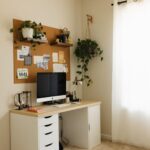





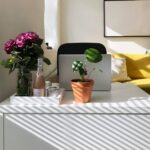

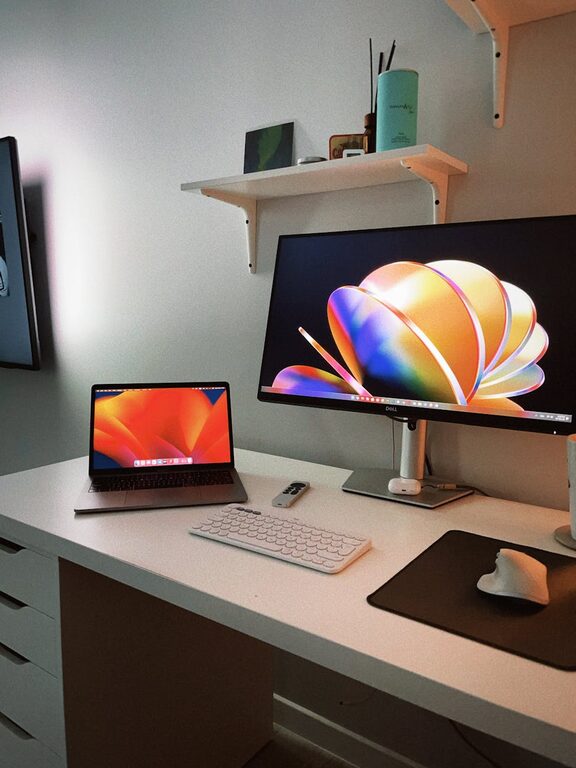
Creating a productive home workspace is more important than ever as remote work and flexible schedules become common. A well-organized workspace can improve focus, reduce stress, and increase efficiency. Whether you have a dedicated room or just a small corner, these tips will help you design a functional and inspiring area to get work done.
Why Organize Your Home Workspace?
Having a cluttered or poorly set up workspace can lead to distractions, discomfort, and decreased motivation. When your environment supports your work habits, you’re more likely to keep on task and enjoy your workday. Organization plays a key role in reducing wasted time looking for supplies and helps maintain a clear mind.
Choosing the Right Location
Consider Natural Light
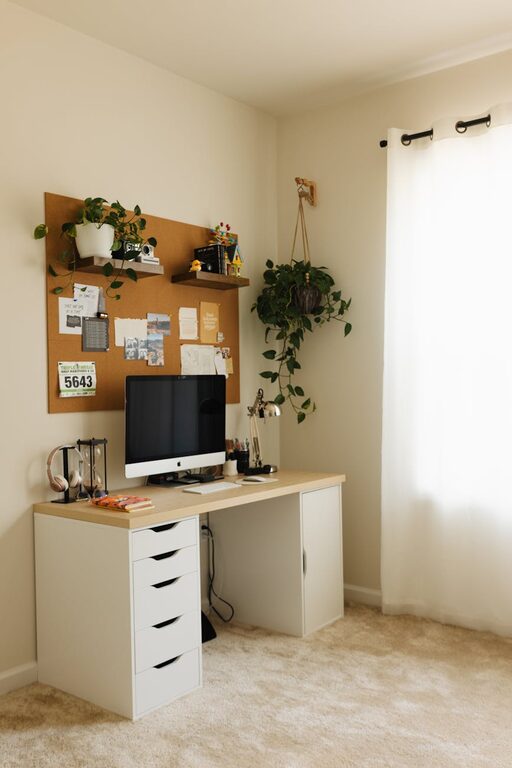
If possible, position your workspace near a window. Natural light helps reduce eye strain and boosts mood and energy levels. Avoid glare on your screen by placing your desk perpendicular to the window.
Minimize Noise and Distractions
Select a quiet spot away from household traffic, televisions, or noisy appliances. If this isn’t possible, noise-cancelling headphones or white noise machines can help keep distractions at bay.
Use a Dedicated Space
Try to keep your workspace separate from living or leisure areas. This boundary helps your brain switch to “work mode” and improves work-life balance.
Essential Workspace Furniture and Equipment
Ergonomic Chair and Desk
Invest in a comfortable chair with good back support to prevent pain during long work sessions. An adjustable desk or sit-stand desk offers flexibility and promotes better posture.
Proper Desk Size
Choose a desk large enough to hold your computer, keyboard, notebook, and any essential tools without feeling cramped. A cluttered desk can interrupt your focus.
Organize Your Technology
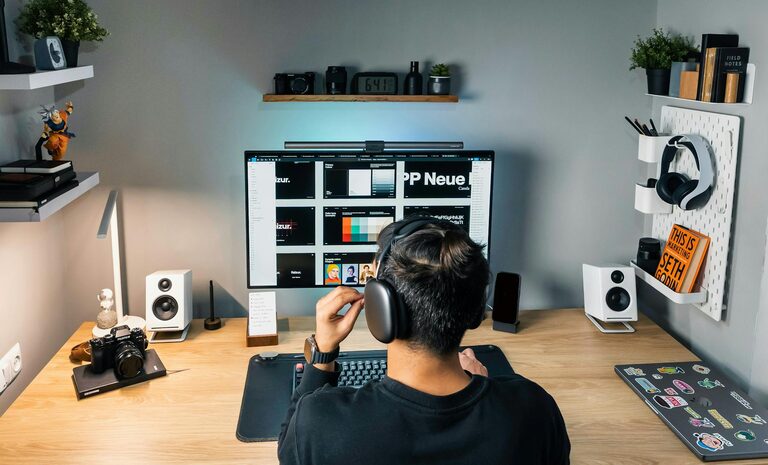
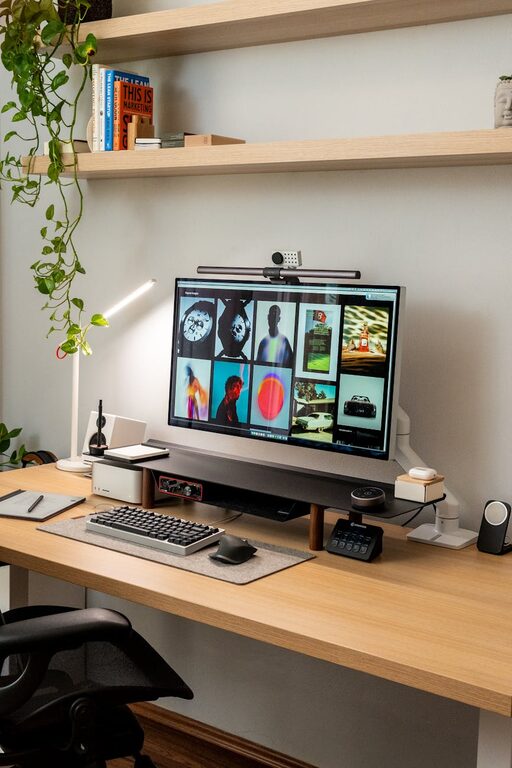
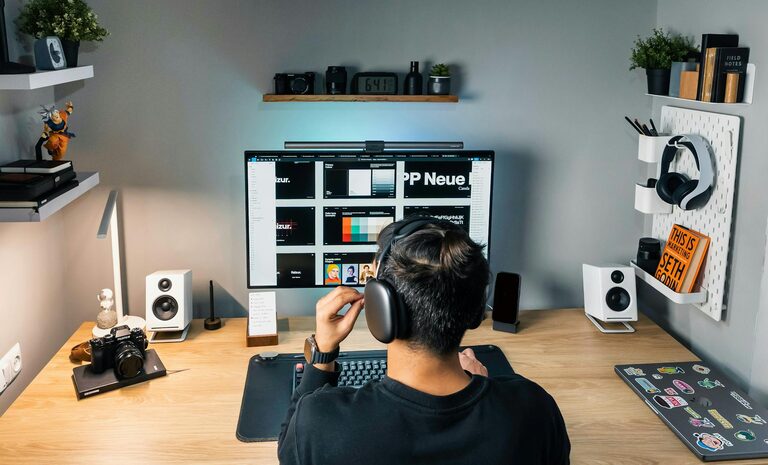
Keep cables organized with clips or cable sleeves to avoid tangling. Position your monitor at eye level to prevent neck strain, and consider investing in a quality keyboard and mouse.
Declutter and Organize
Use Storage Solutions
Drawer organizers, shelves, and filing cabinets keep supplies and documents neatly stored and easy to access. Label boxes or folders to quickly find what you need.
Limit Items on Your Desk
Keep only daily-used items on your desk. Store others out of view to reduce visual distractions. A clean desk often leads to a clear mind.
Regularly Purge Unnecessary Items
Set a weekly or monthly routine to remove outdated papers, empty coffee cups, or unused supplies. This habit ensures your workspace stays organized.
Improve Lighting and Ambiance
Add Task Lighting
Desk lamps with adjustable brightness can provide focused light when needed, especially during evening work hours.
Personalize Your Space
Add plants, artwork, or small decorations that inspire you but avoid clutter. A pleasant workspace contributes to a positive mood.
Manage Your Time Effectively
Use a Planner or Digital Calendar
Keep track of deadlines, meetings, and tasks by scheduling them. This reduces stress and helps maintain focus.
Set Work Hours
Define clear working hours to maintain a routine. Communicate these hours to household members if possible to minimize interruptions.
Take Regular Breaks
Follow techniques like the Pomodoro method—25 minutes of work followed by a 5-minute break—to maintain productivity and reduce fatigue.
Incorporate Healthy Habits
Stay Hydrated and Snack Wisely
Keep a water bottle nearby and choose healthy snacks to maintain energy levels without causing crashes.
Move Often
Stand, stretch, or walk during breaks to avoid stiffness and encourage circulation.
Final Thoughts
Organizing a productive home workspace does not require a complete overhaul or expensive items. Focus on creating a comfortable, clutter-free environment that supports your work needs and habits. Paying attention to lighting, ergonomics, and organization can significantly boost your productivity and overall work experience. Take the time to set up your space thoughtfully—it’s an investment in your efficiency and well-being.