





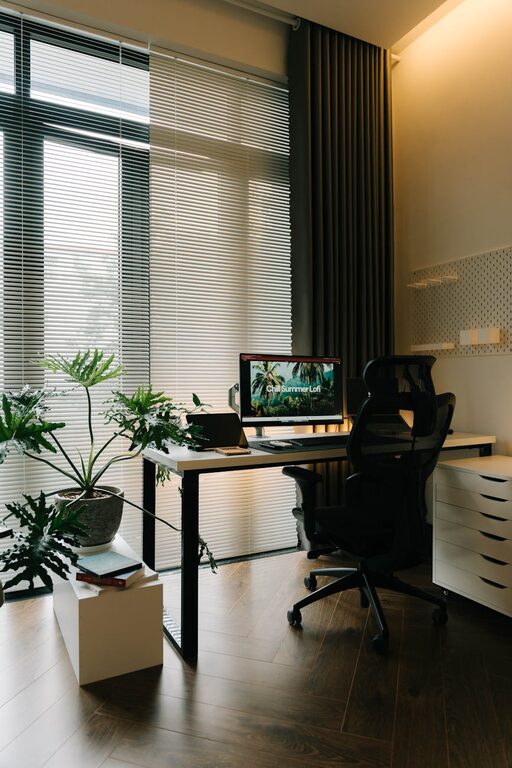
Creating a home office that feels both relaxing and productive can greatly improve your work experience and overall well-being. Whether you’re working remotely full-time or occasionally, having a calm, inviting workspace helps reduce stress and keeps you focused throughout the day.
In this post, we’ll explore practical tips to help you design and maintain a home office that supports relaxation and productivity at the same time.
1. Choose the Right Location
Find a Quiet Spot
Selecting a quiet area in your home is key for concentration. Ideally, pick a room or corner that is away from noisy appliances, high traffic areas, or distractions.
Natural Light Matters
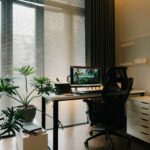
Set up your desk near a window if possible. Natural light not only reduces eye strain but also enhances mood and energy levels. Avoid glare on your computer screen by positioning your desk perpendicular to the window.
2. Invest in Comfortable and Functional Furniture
Ergonomic Chair and Desk
A comfortable chair that supports your posture helps prevent back and neck pain. Choose one with adjustable height and lumbar support. Pair it with a desk that suits your needs—enough space for your computer, documents, and other essentials.
Standing Desk Options
Consider a sit-stand desk if you want to alternate between sitting and standing during the day. Standing desks promote movement and can reduce fatigue.
3. Use Soothing Colors and Personal Touches
Select Calming Colors
Colors influence mood, so choose calming hues like soft blues, greens, or neutrals for your walls and decor. These shades create a serene atmosphere conducive to focus and relaxation.
Add Personal Elements
Incorporate items that make you feel happy and motivated, such as framed photos, artwork, or your favorite inspirational quotes. Just avoid cluttering the space.
4. Organize Your Workspace Efficiently
Declutter Regularly
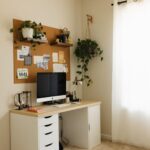
A tidy workspace reduces stress and distractions. Use storage solutions such as shelves, drawers, and organizers to keep supplies neat.
Manage Cords and Tech
Keep cords and cables organized to prevent a messy look and reduce hazards. Use cable clips or sleeves to bundle wires neatly.
Essential Tools Within Reach
Arrange the items you use most frequently close to your work area to keep your workflow smooth and seamless.
5. Incorporate Plants
Benefits of Greenery
Plants improve air quality and provide a visual break from screens, which can reduce eye strain and mental fatigue.
Easy-Care Options
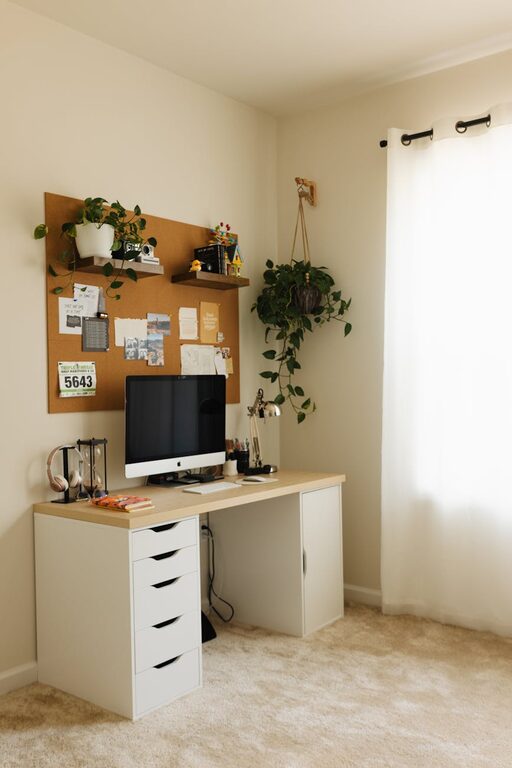
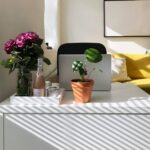
Choose low-maintenance plants like pothos, snake plants, or succulents if you’re new to indoor gardening.
6. Control Lighting
Layer Your Lighting
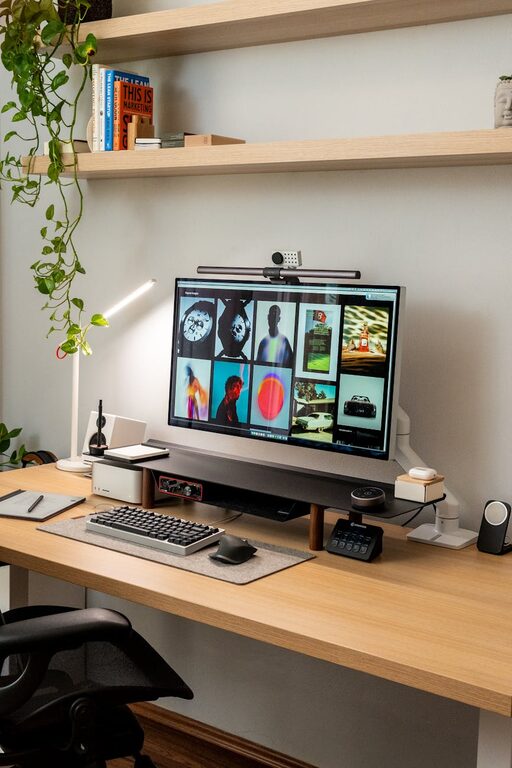
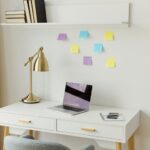
Combine different light sources—natural light, overhead lights, and task lamps. Adjustable desk lamps are great for focused work and reducing eye strain.
Use Warm Light Bulbs
Warm-tone bulbs create a cozy ambiance that can help you relax during late afternoons or early evenings.
7. Maintain Good Air Quality and Temperature
Ventilation is Key
Open windows regularly to let fresh air in, or consider an air purifier to keep the air clean.
Comfortable Temperature
Set your heating or cooling to a comfortable level—too warm or too cold environments can reduce focus.
8. Minimize Noise and Distractions
Use Noise-Cancelling Headphones
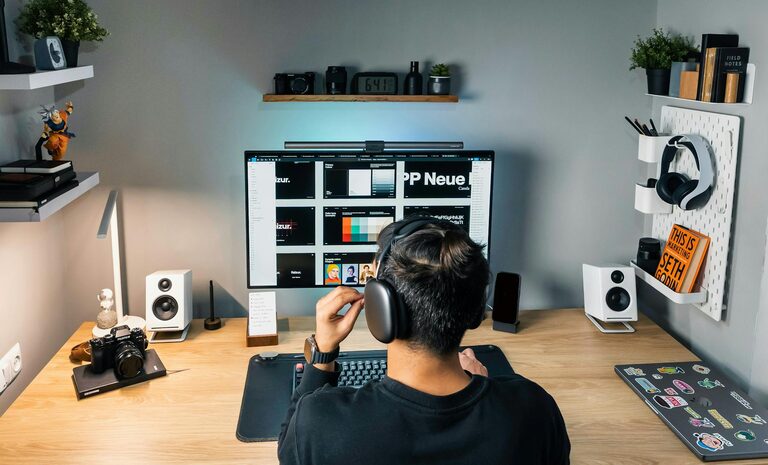
If you’re in a noisy household, headphones can help block unwanted sounds and improve concentration.
Consider Soft Background Sounds
Some people find that light background music, nature sounds, or white noise help create a calming environment. Experiment to see what works best for you.
9. Establish a Routine and Boundaries
Set Work Hours
Having consistent start and end times helps your brain switch between work mode and relaxation.
Dedicated Workspace
Keep your work activities confined to your home office space to separate work time from personal time. This boundary supports mental relaxation after work hours.
10. Take Breaks and Move
Schedule Short Breaks
Regular breaks prevent burnout and improve focus. Use the time to stretch, walk, or simply close your eyes and breathe deeply.
Ergonomic Movement
Incorporate small exercises or stretches that target your neck, back, and wrists to avoid stiffness.
—
Designing a relaxing home office doesn’t require a complete overhaul. By making thoughtful choices about your workspace location, furniture, lighting, and organization, you can create an environment that supports both comfort and productivity. Remember, your workspace should inspire you while keeping distractions to a minimum. Try these tips, and enjoy a more serene and effective workday from home!